.svg)
The problem with scale in heritage hospitality
Last winter, a couple from Indore checked out after three nights with us and said something I have heard in different words a dozen times: “We went to Udaipur first. The lake was beautiful. The hotel was perfect. But when we walked through your gate at Kothi, we finally felt like we had arrived somewhere real.”
I do not say this to diminish Rajasthan. Udaipur, Jodhpur, and Jaipur are magnificent — they taught the world what “royal India” looks like on a postcard. But there is a difference between visiting a heritage property and living inside one. That difference, not more marble or chandelier count, is what travellers are now searching for when they type “intimate heritage travel” or “living palace stay India” into Google at midnight.
A 200-room fort hotel can be operated beautifully. It can also never be a home. When breakfast serves four hundred covers, the kitchen optimises. When thirty weddings happen on the same terrace each season, the terrace learns to pose. The architecture remains old; the experience becomes repeatable.
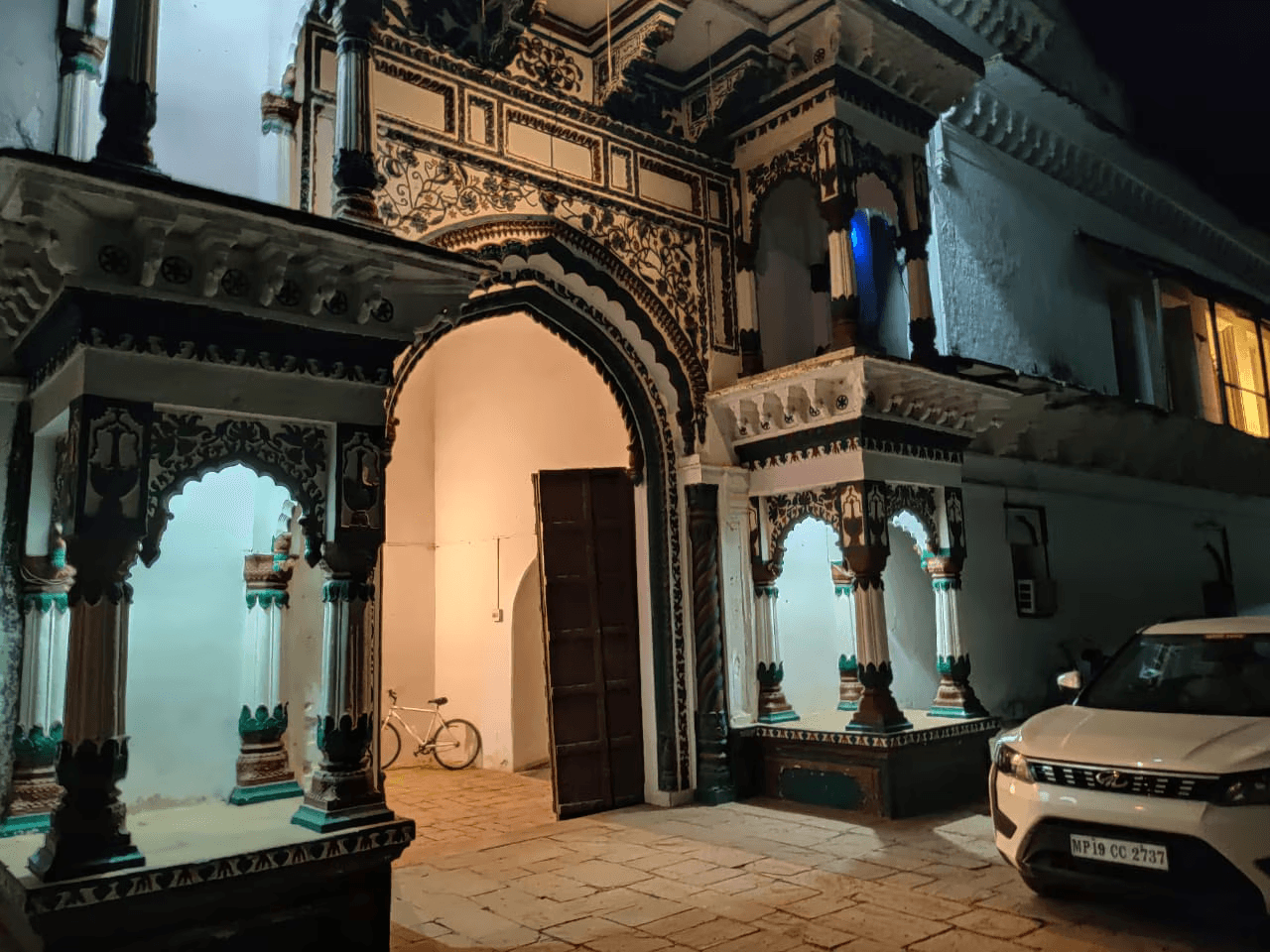
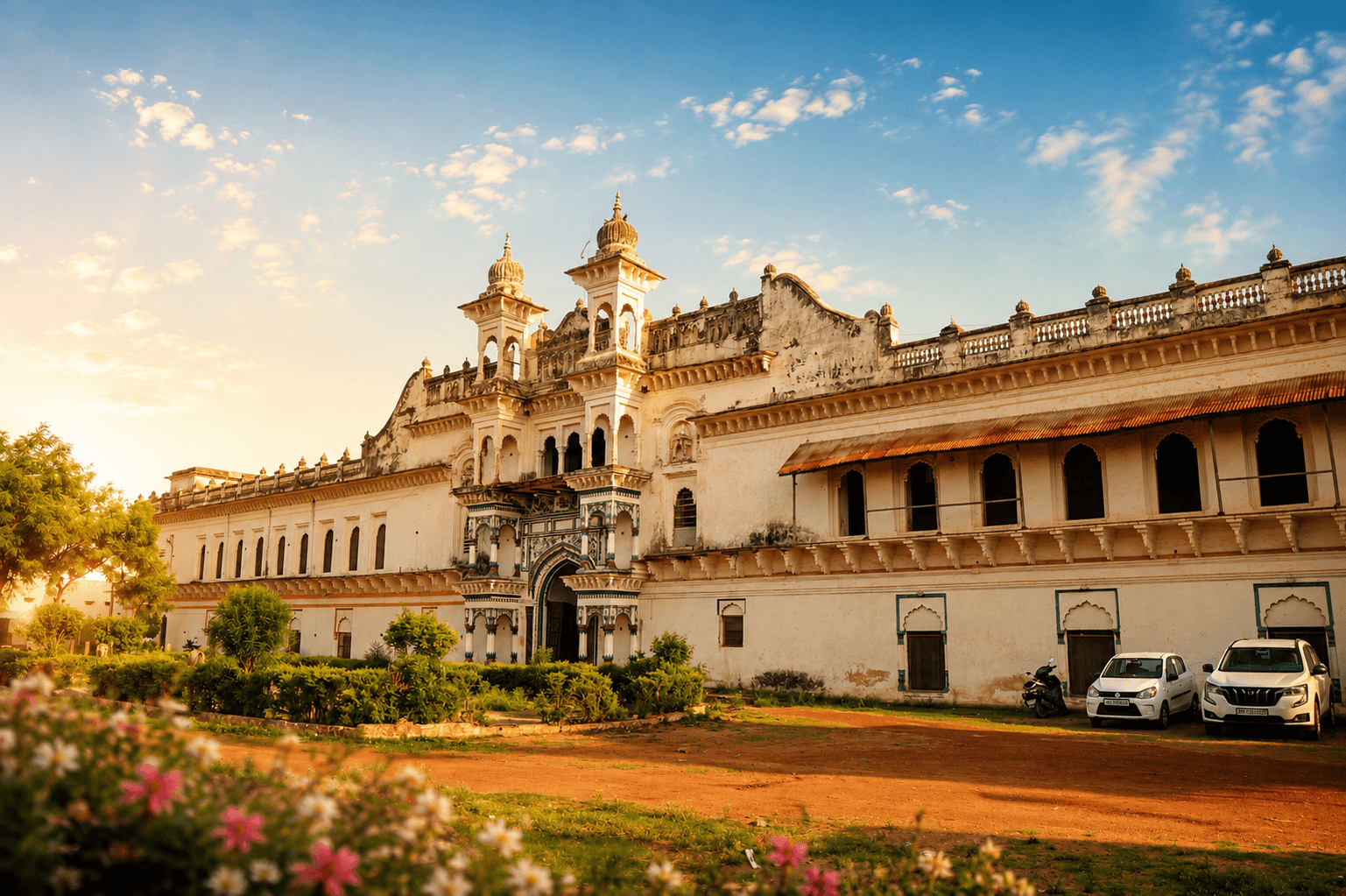
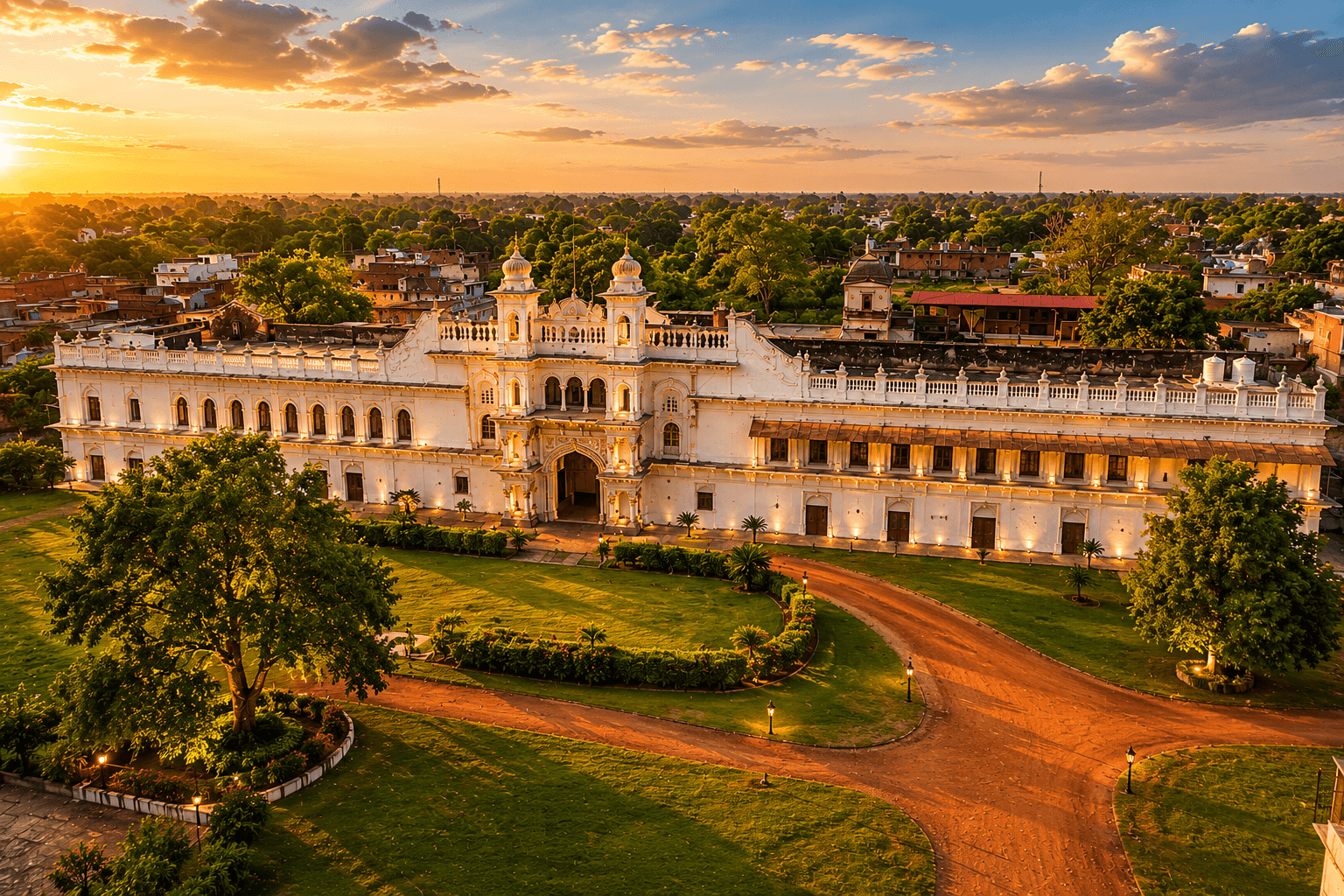
At Killa The Heritage Palace, we made the opposite choice. Four heritage chambers. One family on the gadi. Guests who book direct are not assigned a “heritage deluxe” category — they are received by name.
“Luxury is not the number of thread counts. It is whether the person serving you will remember how you take your chai the next morning.”
Why Central India — and why Bundelkhand specifically
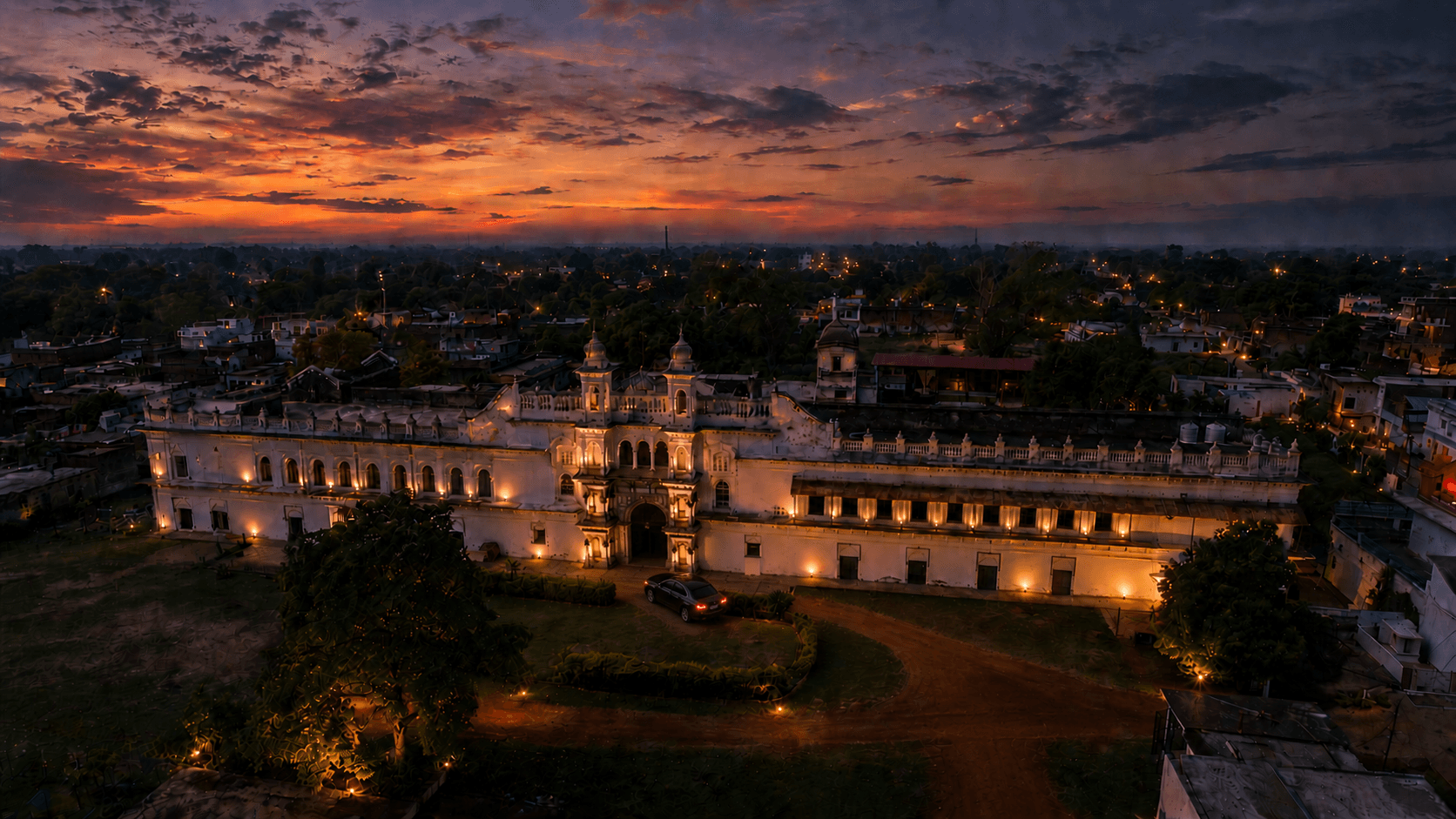
Kothi sits in Bundelkhand, a region that history books mention beside Orchha and Khajuraho but that Instagram has not yet flattened. We are in Satna district, Madhya Pradesh — closer to Rewa than to Bhopal, closer to Maihar Sharda Temple than to any airport. For decades that read as remoteness. Today it reads as authenticity.
Drive in from Rewa and you are here in an hour. From Jabalpur, roughly three. From Bhopal, a Friday-evening escape that lands you at our gate before midnight if you leave after work. Guests planning a weekend staycation in Madhya Pradesh often combine us with Maihar on Saturday morning and a slow palace evening.
What “living palace” means in practice
Travel writers use the phrase easily. For us it is literal. The House of Kothi has carried the gadi since 1738. That is why we cap inventory at four suites — not as a marketing gimmick, but because the building breathes with us.
Guests who want a royal homestay book knowing they may dine with us on certain evenings, hear stories that never made it into a brochure, and wake to the sound of the gate being swept — the same gate our restoration team documented stone by stone.
Who this is for — and who should still fly to Udaipur
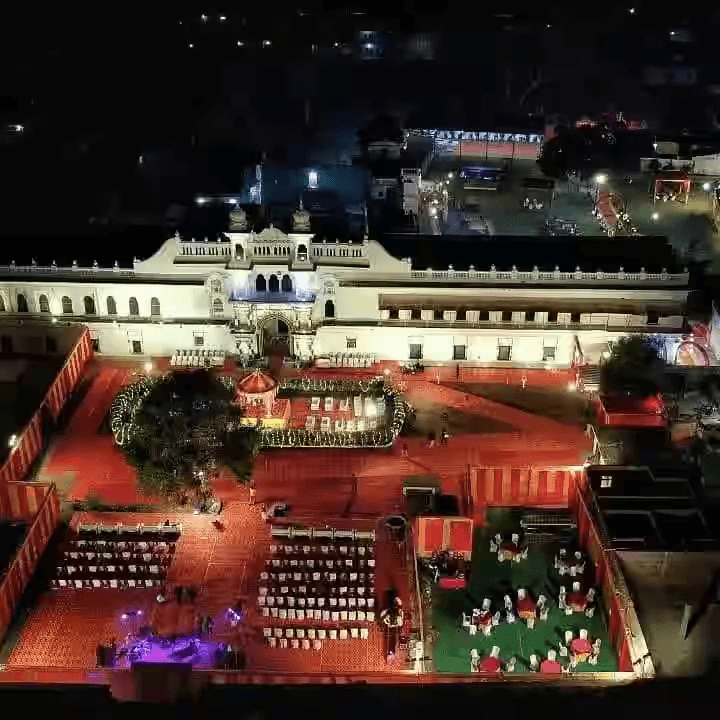
Fly to Udaipur if you need a 300-guest sangeet on a lake island. Come to Kothi if you want twelve people at an intimate mehendi in a courtyard that your grandchildren might photograph fifty years from now. We are not competing on spectacle. We compete on presence.
- Couples who have already done the Rajasthan circuit and want silence.
- Families tracing Rajput or Bundelkhand roots.
- Photographers seeking an uncrowded palace pre-wedding shoot in Madhya Pradesh.
- Writers, filmmakers, and researchers who need access, not just ambience.
- Regional travellers from Bhopal, Satna, Rewa, and Jabalpur who want a real weekend — not a resort with heritage wallpaper.
How to plan your first visit
Read the Satna staycation guide for drive times and chamber descriptions. Browse availability on our reserve page — we do not list on OTAs, which keeps rates honest and conversations direct. If you are unsure whether Kothi fits your trip, message us with your dates and who you are travelling with. We turn away guests when the fit is wrong. That, too, is a form of hospitality.